


Pet Food Label Decoder
A Practical Guide for Pet Owners
Why Bother Reading Pet Food Labels?
Pet food packaging often looks polished and reassuring, but what’s printed on the label holds the real story. Learning to read these labels gives you the tools to:
- Understand what your pet is actually eating
- Avoid low-quality or misleadingly marketed foods
- Make choices that support your pet’s long-term health
What’s Legally Required on the Label?
In the UK, pet food labels must meet certain legal standards. Here’s what every label must include:
- ✅ Product name and species (e.g. “Complete food for adult cats”)
- ✅ Ingredients list in descending order by weight
- ✅ Additives, such as vitamins or preservatives
- ✅ Analytical constituents (protein, fat, fibre, ash)
- ✅ Feeding guidelines
- ✅ Net weight
- ✅ Manufacturer contact details
- ✅ Batch number & best-before date
These details provide a baseline, but understanding what’s behind them makes all the difference.
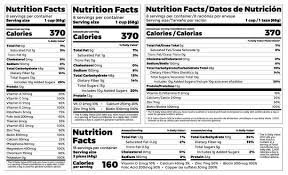

Ingredients List: Not Always What It Looks Like
The ingredient list might seem straightforward, but a few tricks can affect how it’s presented.
1. Fresh vs. Dried Ingredients
“Fresh chicken” might top the list, but it includes water weight. After cooking, its actual contribution could be much lower. In contrast, “chicken meal” or “dried chicken” offers more concentrated protein.
2. Ingredient Splitting
Some brands break down ingredients like maize or rice into parts (e.g. maize gluten, maize flour). This lets meat appear higher on the list, even if there’s more grain overall.
3. Named vs. Unnamed Sources
Prefer foods that list specific meats like “lamb” or “turkey” rather than vague terms like “meat and animal derivatives”. The more precise the description, the more transparent the product.
What Does ‘Complete’ Really Mean?
A pet food labelled as “complete” meets legal nutritional requirements for a daily diet. However:
- It doesn’t guarantee high ingredient quality
- Complementary foods (like mixers or treats) shouldn’t be fed as a sole diet
- Always ensure the food matches your pet’s life stage—puppy, adult, or senior
Nutritional Breakdown: Understanding the Numbers
The analytical constituents table gives you a breakdown of key nutrients:
Term | What It Means |
Crude Protein | Total protein from animal and plant sources |
Crude Oils & Fats | Total fat, an energy source important for skin and coat |
Crude Fibre | Indigestible material; aids digestion in small amounts |
Crude Ash | Mineral content, often from bones or supplements |
⚠️ A high ash content may suggest poor-quality meat sources or excessive bone content.
Additives: What’s Being Added and Why?
Additives aren’t always a red flag, but it helps to know what’s being used.
Nutritional Additives
Added vitamins, minerals, and amino acids to meet nutritional standards.
Technological Additives
Preservatives or stabilisers to keep the food fresh.
Sensory Additives
Flavourings or colourants—often added more for the pet owner’s benefit than the pet’s.
If a label includes lots of additives, it could mean the core ingredients lack natural nutrients.
Marketing Claims: How to Read Between the Lines
Food labels are also marketing tools. Here’s how to interpret common claims:
Claim | What It Actually Means |
“With chicken” | Must contain at least 4% chicken |
“Rich in beef” | Must contain at least 14% beef |
“Natural” | Not legally defined—check the ingredients for artificial additives |
“Grain-free” | No grains, but may include peas, lentils, or other starches instead |
“Hypoallergenic” | Typically avoids common allergens, but there’s no legal standard |
Don’t be swayed by buzzwords—always refer to the ingredients and nutritional panel.
Who Actually Makes It?
Many pet food brands are owned by larger corporations. Even those marketed as “small-batch” or “artisan” may belong to big-name manufacturers.
- Look for the manufacturer or distributor on the packaging
- Independent brands often offer more sourcing transparency, though this isn’t always the case
Conclusion
Understanding pet food labels doesn’t require a science degree—but it does help to know what to look for. Armed with the right knowledge, you can:
- Make informed, confident decisions
- Avoid misleading marketing claims
- Prioritise your pet’s long-term health over brand hype
The label is your starting point—use it wisely.
