



Preparing Your Dog for Boarding or Travel
Whether you’re heading on holiday, planning a work trip, or simply need to travel without your dog, there may come a time when you need to arrange boarding or transportation for your pet. Dogs, like people, can experience stress and anxiety in unfamiliar environments, so preparation is key to ensuring a smooth transition for both you and your dog.
This guide will walk you through the steps involved in preparing your dog for boarding or travel. From acclimatising your dog to the boarding facility to tips for a stress-free journey, you’ll find helpful advice to ensure that your dog stays comfortable, safe, and happy while you’re away.
1. Assessing Your Dog’s Needs
Before making any arrangements, it’s important to consider your dog’s unique needs and temperament. Every dog is different, and while some may thrive in new environments, others may need a little extra attention. Here are a few things to consider:
Temperament and Behaviour
Some dogs are naturally anxious or shy, while others are more social and adaptable. If your dog tends to get anxious around new people, animals, or places, it might be beneficial to start preparing early. Conversely, if your dog is outgoing and comfortable in unfamiliar situations, you may not need to worry as much.
Health Considerations
If your dog has any medical conditions, allergies, or requires special care, ensure that these are discussed with the boarding facility or travel provider in advance. You should also check that your dog’s vaccinations are up to date, as many boarding facilities and transport services require this.
Age and Fitness
Age plays a role in how your dog handles stress and travel. Older dogs or those with physical limitations may require additional planning. For instance, they might need quieter, more comfortable travel arrangements or longer breaks during transport.
2. Choosing the Right Boarding Facility
When it comes to choosing a boarding facility, research is crucial. A good facility should provide a safe and comfortable environment, along with staff who are experienced in handling dogs.
Research and Reviews
Look for reputable boarding services with positive reviews. Ask for recommendations from friends or online communities, and don’t hesitate to ask the facility for references. It’s a good idea to visit the facility beforehand to assess its cleanliness, safety protocols, and how the staff interacts with the dogs.
Trial Visits
If possible, arrange a trial visit to the boarding facility. This allows your dog to get familiar with the new environment while you’re still around. It also gives you a chance to observe how your dog reacts in the setting and how the staff handle pets.
Special Needs and Requirements
Ensure that the facility can meet your dog’s specific needs. For example, some dogs may require individual attention, extra playtime, or a quiet area away from other animals. If your dog has any specific dietary needs or medications, be sure to communicate this in advance.
Comfort and Safety
Check for safety measures such as secure fencing, temperature control, and comfortable bedding. Your dog should have a designated, clean space to rest and relax. Also, confirm that the staff are trained in pet first aid and emergency protocols.

3. Preparing Your Dog for the Boarding Experience
Once you’ve chosen a facility, it’s time to start preparing your dog for the experience. The more familiar your dog becomes with the boarding facility, the less likely they are to experience separation anxiety.
Acclimatisation to the Facility
If your dog is unfamiliar with the boarding facility, try visiting a few times before the actual boarding period. Many facilities will offer daycare services or allow you to bring your dog in for short visits to get used to the environment.
Familiar Items
Bringing familiar items can provide comfort. A favourite toy, blanket, or bed can help your dog feel more secure in a new environment. These items carry your scent, which can be reassuring when you’re not around.
Preparing Your Dog for Separation
If your dog has never been left with a sitter or at a boarding facility before, it’s important to start small. Try leaving them with a trusted friend or family member for a few hours to help them get used to being separated from you.
4. Packing for Your Dog’s Stay
Make sure you pack everything your dog will need while you’re away. Here’s a checklist of essential items to bring:
Food and Water
If your dog has a specific diet or food allergies, provide enough food for the entire stay, along with clear instructions. It’s also wise to bring along a familiar water bowl or bottle to prevent any changes that might cause upset.
Medication and Supplements
If your dog is on medication, be sure to bring enough for the duration of their stay, along with any necessary instructions. Include any supplements or special treatments they require as well.
Identification and Emergency Contact Information
Ensure your dog is wearing an ID tag with your contact information, and provide the boarding facility with details of your vet and emergency contacts. This will be helpful in case of an emergency.
Comfort Items
Pack a few comfort items like a blanket, bed, or a favourite toy. These items will help your dog settle in more easily and feel secure in a new environment.
5. Preparing Your Dog for Travel
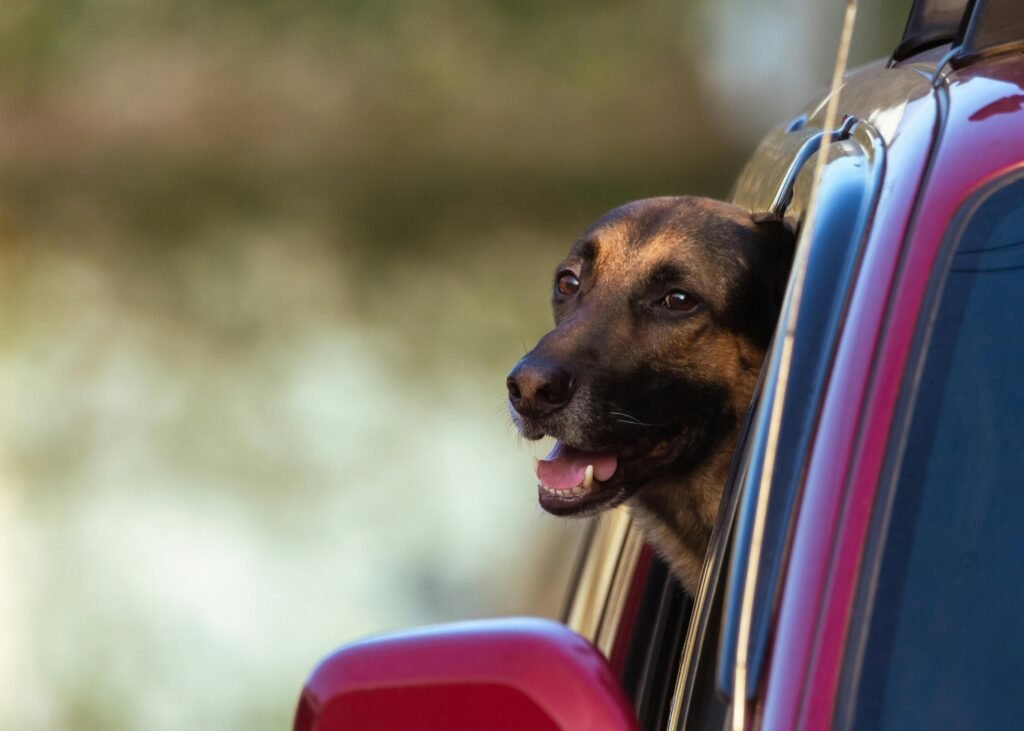
If you’re travelling with your dog, whether by car, plane, or train, it’s important to make travel arrangements that are safe and comfortable for your pet.
Car Travel
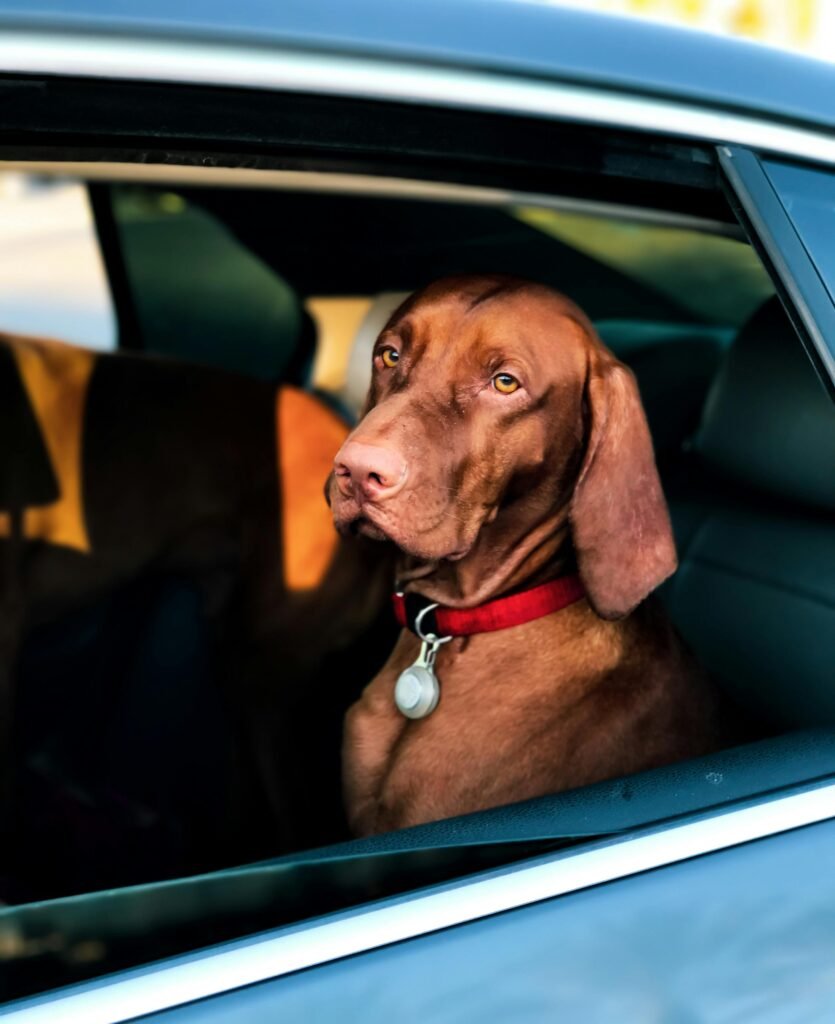
If you’re travelling by car, take the time to get your dog used to the car, especially if they’re not accustomed to long trips. Practice short drives before embarking on a longer journey. Make sure your dog is secured in the vehicle—either in a crate, dog seatbelt, or a dog-specific travel harness.
Plane Travel
If you’re flying with your dog, check with the airline for their pet travel policy. Many airlines require pets to travel in the cargo hold, but some allow them in the cabin if they’re small enough to fit in a carrier under the seat. Be sure to book your dog’s travel well in advance and confirm the airline’s requirements regarding carriers, vaccinations, and health certificates.
Train and Public Transport
When travelling by train or public transport, it’s important to check the rules regarding pets. Many services require dogs to be in a carrier or on a leash, and some may charge a fee. Ensure your dog is comfortable in the carrier or with their travel arrangements before embarking on your journey.
6. Managing Separation Anxiety
For some dogs, being away from their owners can cause anxiety. Here are a few strategies to help manage separation anxiety:
Desensitisation
Gradually desensitising your dog to being alone can help reduce anxiety. Start with short periods of separation, gradually increasing the duration. This will help your dog learn that you will always come back.
Calming Aids
There are various calming aids available, such as anxiety wraps, pheromone diffusers, or calming treats. Speak with your vet to see what might be suitable for your dog.
Consistent Routine
Maintaining a consistent routine can help reduce stress. Ensure that feeding times, walks, and bedtime remain consistent, even while you’re away. The more your dog’s environment stays the same, the less stressed they’ll be.
7. After Your Dog Returns
Once you’re reunited with your dog, it’s normal for them to be a little tired or a bit out of sorts after their time away. Here are some things to keep in mind:
Reassurance and Comfort
Give your dog plenty of time to settle back into your routine. Provide lots of love and attention to reassure them, but avoid overwhelming them with affection all at once.
Monitor for Stress or Illness
In some cases, dogs may experience stress after being away. Look out for signs of illness or changes in behaviour. If you notice anything unusual, contact your vet.


Reconnecting
Spend quality time with your dog to help them reconnect with you. This can be through play, walks, or simply sitting together. This will help your dog feel safe and secure in your presence again.
Conclusion
Preparing your dog for boarding or travel requires careful planning and consideration. By choosing the right boarding facility, preparing your dog for the experience, and taking the right steps for safe travel, you can help your dog feel more comfortable and reduce stress during your time apart.
Remember, every dog is different. What works for one may not work for another, so always keep your dog’s personality and preferences in mind when making preparations. With the right approach, you can ensure a safe and positive experience for both you and your dog, no matter the distance.